
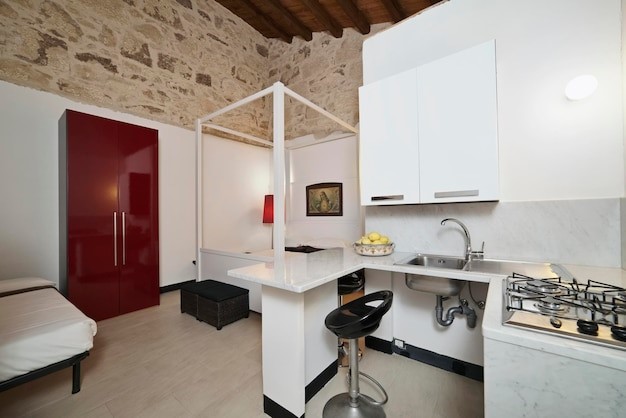
A thoughtfully designed basement kitchen can completely change how you use your lower level. Instead, it makes sure that it’s not just extra square footage but a space you actually enjoy using. Whether you are hosting friends or welcoming your family, the right design connects function and comfort with a polished look.
The main thing is to plan beyond cabinets and countertops and think about how the space actually works for your lifestyle. When you get that foundation right, everything else just falls into place.
Do You Need a Kitchenette or a Full Kitchen?
Before you choose finishes or appliances, you need to answer one question. Why are you building this kitchen?
Your answer will guide every decision that follows, from layout to infrastructure to budget.
| Purpose | Best Setup | Key Features |
| Hosting and entertaining | Kitchenette | Island seating, beverage fridge, microwave |
| In-law or guest suite | Full kitchen | Range, full fridge, pantry storage |
| Rental unit | Full kitchen (durable) | Quartz counters, waterproof flooring |
If you are creating a hangout or media room, there are many small basement kitchenette ideas that focus on giving you convenience rather than full-scale cooking. But if someone will live there long-term, a complete kitchen setup becomes essential for comfort, safety, and code compliance.
Basement Kitchen Elements That Make or Break the Space

Plumbing
Unlike kitchens that are built upstairs, basements don’t rely on gravity for drainage. If you plan to install a sink, dishwasher, or full kitchen, your plumbing may sit below the main sewer line. That often means you need to install an ejector pump system, which requires planning before construction begins.
Missing this step can lead you to costly concrete work later. That’s why Georgia Best Home Builders evaluates plumbing needs early, so your remodel stays smooth and predictable.
Ventilation
Basements hold onto air and odors. Proper ventilation isn’t optional if you are cooking downstairs. A high-powered range hood vented outside removes grease, moisture, and smells effectively. Recirculating fans simply don’t work well in below-grade spaces.
Good airflow ensures that your basement kitchen stays fresh, comfortable, and usable day after day.
Egress and Safety Requirements in Georgia
In Georgia, kitchens that are located in livable basement areas must meet specific egress requirements. Because kitchens increase fire risk, proper exits aren’t just a code issue but they are about protecting your family and your investment.
Design Ideas That Balance Style and Function in Your Home

Light and Airy for Everyday Living
Basements naturally lack sunlight, but your design choices can completely change how the space feels. Light cabinetry, soft neutrals, and pale wood tones instantly brighten the room.
You can also pair them with reflective surfaces like glass tile backsplashes and polished quartz countertops to help spread light and reduce that closed-in feeling.
Pub-Style Spaces for Entertaining
If natural light is limited, you can lean into a cozy and stylish atmosphere. Dark cabinetry, brick veneers, and matte black hardware can give your space a speakeasy vibe.
This look works beautifully for layouts that are designed for entertaining and compact basement kitchenettes.
The Waterfall Island Effect
If your space allows, a waterfall island elevates the look instantly. Carrying the countertop material down the sides creates a clean and architectural look, and it also serves as a gathering spot.
It’s a detail that makes your basement feel custom-built rather than renovated.
Lighting That Transforms Your Basement and Built-In Areas
Lighting plays a bigger role in basements than anywhere else in your home. To avoid that unmistakable basement feel, you will want to layer your lighting intentionally:
- Ambient: Recessed LED lights provide even and low-profile coverage.
- Task: Under-cabinet lights make food prep safer and easier.
- Accent: Pendants or cabinet lighting add warmth and personality.
- Toe-kick: It improves nighttime visibility and adds subtle elegance.
Together, these layers help your basement kitchen feel welcoming, functional, and well-designed.
Best Material Choices for Georgia Homes
Humidity is a serious concern in Georgia basements, even with quality HVAC systems. You need to select materials wisely to tackle this issue.
- Flooring: Luxury Vinyl Plank (LVP) resists moisture and offers the look and warmth of wood.
- Cabinetry: Proper spacing and moisture barriers protect your cabinets from long-term damage.
- Countertops: Quartz is non-porous, which makes it more resistant to mold and mildew than granite.
In our basement remodel Atlanta services, our choice of these materials ensures they hold up over time and reduce maintenance, especially in high-use areas.
Tips For Making Smaller Footprints Work For You
Many homeowners assume that compact layouts can limit creativity. In reality, smart design choices can make your basement kitchenette feel high-end and custom.
- Panel-ready appliances keep the space visually clean.
- Drawer-style microwaves and dishwashers improve flow.
- Open shelving prevents the room from feeling heavy or boxed in.
These details matter a lot in tighter spaces, and they are often overlooked in generic remodel plans.
FAQs About Basement Kitchen Ideas
1. Do I need a separate electrical panel for the kitchen in my basement?
Yes, to prevent overloading, your basement kitchenette may need separate circuits for refrigerators, microwaves, and ranges.
2. Do I need a full kitchen for an in-law suite?
Usually, yes. Most families prefer having a complete setup with cooking and storage for long-term comfort and independence.
3. How do ceiling height limits affect my basement kitchenette designs?
Lower ceilings affect cabinet height and lighting. You can install recessed lights, open shelves, and slim crown molding to keep the space open.
4. How do you control cooking noise in an open basement layout?
We use sound-absorbing materials like LVP flooring with underlayment, insulated walls, and quieter appliance models.
5. Where should I place the kitchen within my basement layout?
Ideally, you should place the kitchen near existing plumbing and think about traffic flow, noise, and exit access.
Conclusion
A successful basement kitchen functions well for your needs and makes your space comfortable. When your layout, infrastructure, and materials work together, your basement becomes a space that supports cooking, entertaining, and living.
At Georgia Best Home Builders, we design and build by keeping these realities in mind, so your remodel feels seamless, durable, and tailored to your lifestyle.
Reach out to custom home builders Atlanta and make your kitchen remodel Atlanta work as beautifully as it looks in your basement!

