
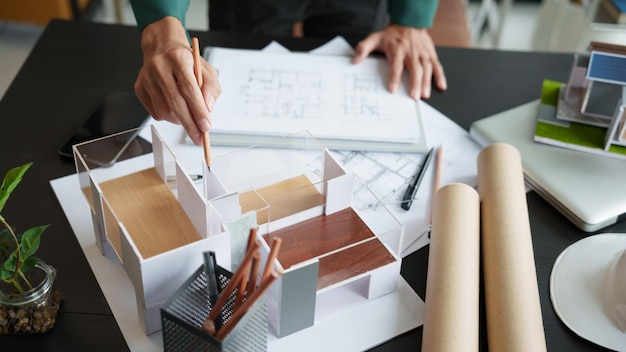
The custom home design process is where ideas turn into real spaces you’ll live in, grow in, and make memories inside for decades. It’s not just about floor plans or finishes but a thoughtful journey that blends creativity, planning, and expert coordination. When done right, it feels exciting instead of overwhelming, and every decision has a clear purpose behind it.
We walk clients through this journey every day, and one thing is always true: the more clarity you build early, the smoother everything feels later. Let’s break the process down step by step so you know exactly what to expect and how to prepare.
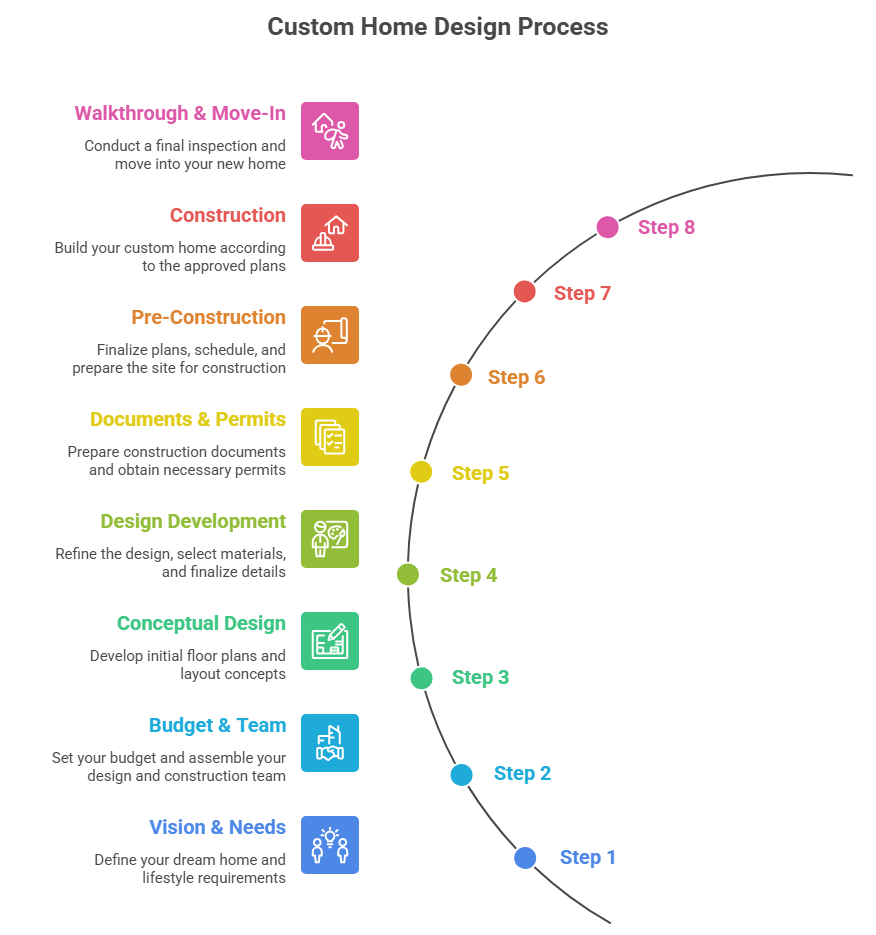
Step 1. Vision, Lifestyle, and Feasibility
Every successful home starts with a clear vision rooted in real life, not trends. Before any drawings begin, we focus on how you want your home to function day to day.
This stage of the custom home design process involves lifestyle conversations like how you move through your space, entertain guests, work from home, or plan for future needs. We also assess your lot, zoning restrictions, setbacks, and environmental factors to confirm feasibility early.
By addressing these elements upfront through architectural planning, we avoid design revisions later and ensure your ideas are grounded in what’s actually buildable.
Step 2. Budget Alignment and Team Collaboration
Budget conversations aren’t about limiting creativity; they’re about directing it wisely. Establishing financial boundaries early helps prioritize what matters most.
At this stage, we align your design goals with construction costs, material choices, and timelines. This is also when the full team comes together, ensuring architects, designers, and Atlanta home builders are working toward the same outcome.
Clear budget alignment keeps the custom home design process collaborative instead of corrective, preventing last-minute compromises that can impact quality or comfort.

Step 3. Concept Design and Layout Development
With direction set, initial concepts begin to take shape. This is where ideas become visual and spatial.
Layouts are explored to improve flow, maximize natural light, and create a balance between shared and private spaces. We often discuss how future flexibility can be built in. For example, some homeowners plan ahead for a future basement remodel Atlanta by designing structural access and ceiling heights early, even if the space won’t be finished right away.
Step 4. Design Development and Material Selections
Once layouts are approved, attention shifts to the details that define your home’s character. Materials, finishes, fixtures, and systems are carefully selected and coordinated.
This phase of the custom home design process blends aesthetics with durability and efficiency. Flooring, cabinetry, lighting, hardware, and color palettes are refined to ensure cohesion throughout the home.
Many clients choose to involve interior design Atlanta services at this point to create a unified look that reflects their style while staying practical for everyday living.
Step 5. Construction Documents and Permits
After decisions are finalized, detailed construction drawings are prepared. These documents guide every contractor on-site and are submitted for permits and approvals.
Although less visible, this stage is essential to the custom home design process. Precise documentation minimizes misunderstandings, supports accurate pricing, and reduces construction delays.
Thorough plans also protect homeowners by setting clear expectations for quality, scope, and execution.
Step 6. Pre-Construction Planning
Before construction begins, timelines, contracts, and logistics are finalized. This phase ensures the transition from paper to site is seamless.
If your project involves full-scale new home construction Atlanta, pre-construction planning becomes even more important. Site preparation, utility coordination, and scheduling are carefully sequenced.
A strong pre-construction phase creates momentum and helps maintain consistency throughout the build.
Step 7. Construction and Ongoing Coordination
Construction is where the vision comes to life. Throughout this phase, ongoing communication is key. Regular check-ins help resolve questions quickly and keep work aligned with the original design intent.
Active oversight ensures the custom home design process stays on track, quality remains high, and decisions are handled thoughtfully instead of reactively.
Step 8. Final Walkthrough and Move-In
As construction nears completion, a detailed walkthrough ensures everything meets expectations. Any remaining adjustments are identified and addressed.
This final step is about confidence and peace of mind. Once complete, move-in feels less like an ending and more like the beginning of a new chapter.
Common Pitfalls to Avoid During the Process
Even well-planned projects can encounter challenges if key steps are rushed or overlooked. Common mistakes include underestimating costs, skipping contingency funds, or making decisions too quickly.
Failing to plan for long-term needs such as energy efficiency, storage, or future expansion can also limit your home’s potential. A thoughtful home construction workflow helps avoid these issues and supports lasting value.
Furthermore, choosing the right materials affects utility bills. According to the U.S. EPA and Department of Energy, homes built to ENERGY STAR® standards can use less energy than typical new homes.
Custom Home Design Process FAQs
Is $100,000 enough to build a house?
Yes, it can be possible in situations, such as smaller homes in low-cost areas or prefab options. However, most fully customized homes require a higher budget to support design flexibility, quality materials, and professional coordination.
What is the correct order to renovate or build a house?
Planning and permits come first, followed by structural work and mechanical systems. Insulation and drywall are next, with finishes like cabinetry, flooring, and fixtures installed last to prevent damage.
What are common mistakes to avoid when building a house?
Poor budgeting, choosing the wrong builder, rushing decisions, and ignoring future needs are common pitfalls. Clear communication and realistic expectations help prevent costly issues.
How long does the custom home design process take?
Design can take several months, while construction typically spans 9–15 months depending on complexity, approvals, and site conditions.
Bringing It All Together
A successful custom home design process blends vision, expertise, and careful planning at every stage. When each phase is handled with intention, the result is more than a custom build. It’s a home designed to evolve with you.
If you are considering building and want guidance from concept through completion, explore how we at Georgia Best Home Builders support homeowners with thoughtful design, clear communication, and craftsmanship you can trust.

